Creating Winter Warmth With Color and Lighting
Darker walls and layered lighting can make winter months feel less dreary. This guide shows you how to do it without repainting everything.
Why Winter Feels Colder Than It Should
Winter doesn't just bring cold weather — it brings darkness. Short daylight hours, gray skies, and the way light bounces differently through winter clouds all conspire to make our spaces feel less inviting. You can't change the season, but you can absolutely change how your home feels during those long months.
The good news? You don't need to hire a designer or spend thousands on renovations. Strategic color choices and thoughtful lighting layers can transform your space. We're talking about creating visual warmth — the kind that makes you want to stay home on a Saturday night instead of feeling the urge to escape.
The Winter Warmth Formula
- Rich, saturated wall colors
- Layered lighting at different heights
- Warm-toned accent pieces
- Reflective surfaces to bounce light
01
Choose Your Base Color Strategically
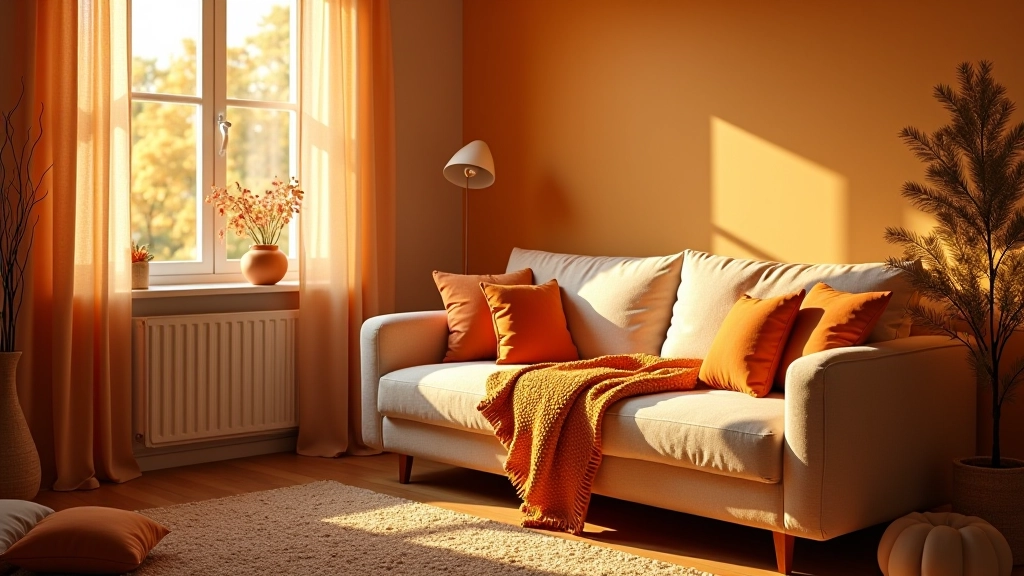
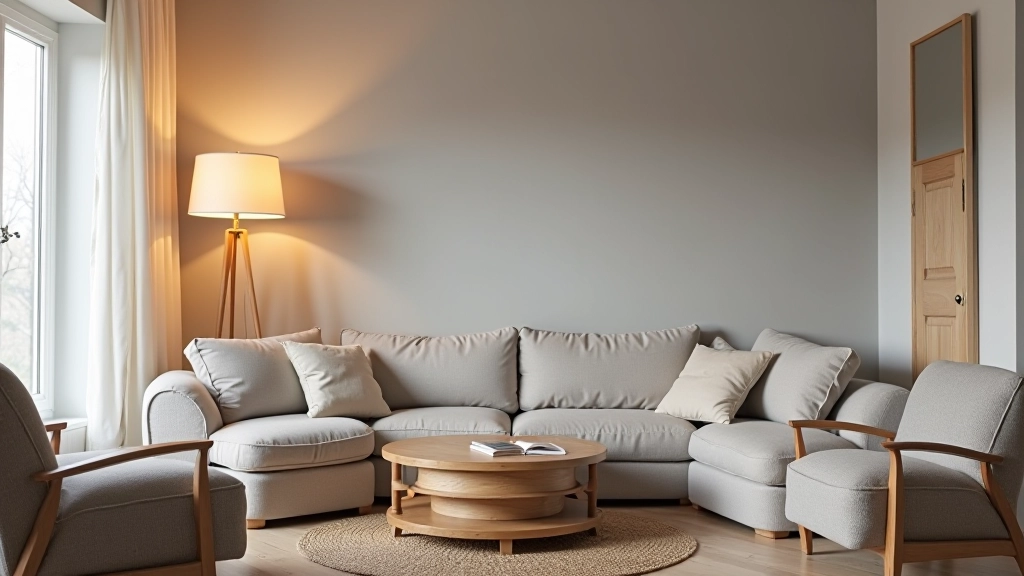
You don't need to paint your walls deep navy or forest green. Instead, think about colors that read warm under artificial light. Warm grays, muted terracottas, soft charcoals — these work beautifully because they absorb light in a way that feels cozy rather than cave-like.
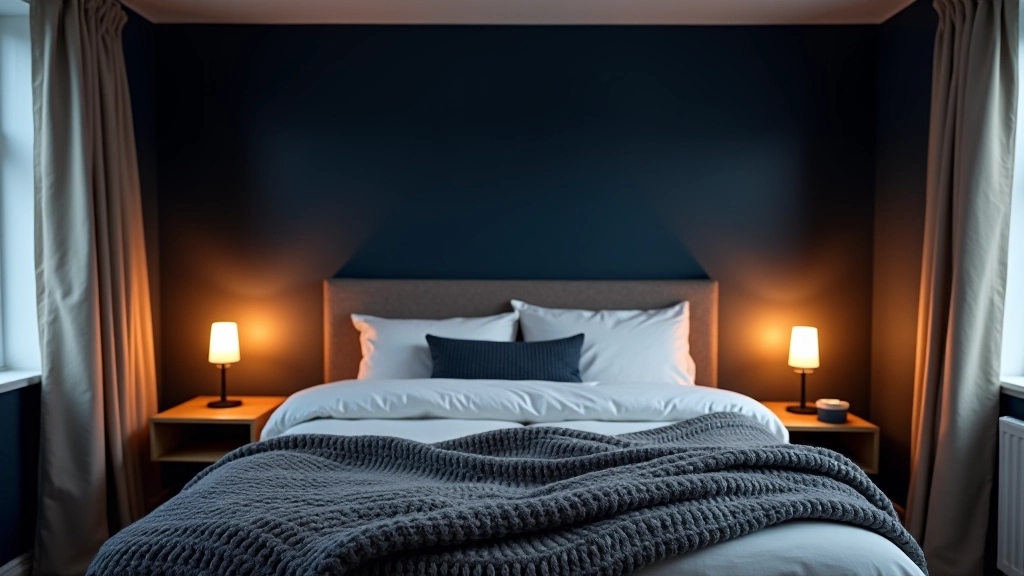
If painting feels too permanent, start with one accent wall. We typically recommend the wall opposite your main light source. This creates depth and makes the room feel intentional. Deep jewel tones like emerald or sapphire work particularly well if you're adding enough warm lighting to balance them out.
Still hesitant? Fabric wall panels or removable wallpaper offer the same effect without commitment. You'll be surprised how much a darker background changes the perception of your entire space — it's like putting on reading glasses that suddenly bring everything into focus.

02
Layer Your Lighting Like a Pro
This is where the real magic happens. Most rooms have one overhead fixture — and that's exactly the problem. Single-source lighting creates harsh shadows and doesn't feel inviting. You need three types: ambient (overall light), task (functional light), and accent (mood light).
Start with warm-toned bulbs. We're talking 2700K color temperature, not the harsh 4000K. Add table lamps on side tables, wall sconces flanking a mirror or artwork, and a dimmer on your main overhead light. The dimmer is crucial — it lets you adjust the mood without changing the bulbs.
String lights, candles, and even a small floor lamp in the corner all contribute. The goal isn't brightness — it's richness. Think of it like layering clothes. One thick coat feels restrictive, but three lighter layers feel perfect. Same principle applies to light.
03
Amplify Light With Reflective Surfaces
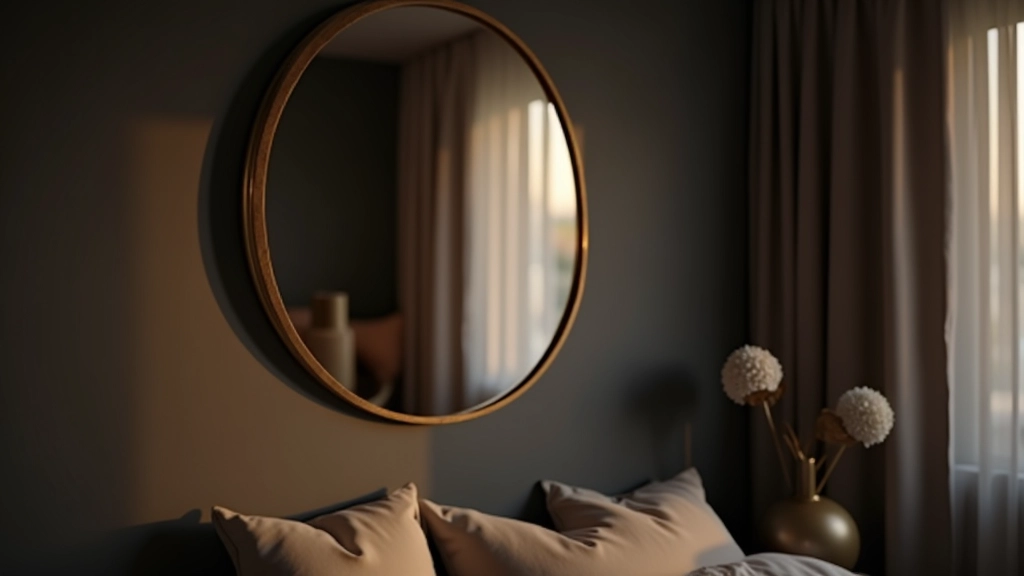
Here's a trick designers use constantly: mirrors and metallic accents bounce light around the room, making it feel brighter without adding more fixtures. A large mirror opposite a light source can double the perceived illumination. Brass or copper finishes warm up the light further.
You don't need expensive designer pieces. A simple brass-framed mirror from a home goods store works just as well. Glass shelves, metallic picture frames, even shiny ceramic vases all help. The reflective surfaces break up darker walls and prevent the space from feeling heavy.
Pro tip: Place reflective pieces where they catch light naturally. If your main light source is a table lamp on the left side, put a mirror on the right wall to bounce that light back. This creates balance and eliminates dark corners that feel depressing.
Disclaimer: This article provides general guidance on interior design and home comfort. Color preferences and lighting effectiveness vary based on individual taste, room size, and existing fixtures. Always test paint samples in your actual lighting conditions before committing. If you have concerns about electrical safety when installing new fixtures, consult a qualified electrician.
Start Small, Build Your Warmth
Winter warmth isn't about grand gestures. It's about intention. Begin with lighting — add a dimmer switch and one warm table lamp. Notice how it changes your space. Then consider an accent wall or removable wallpaper. You'll be amazed how quickly your room transforms from "winter blues" to "winter retreat."
The beauty of this approach? Nothing's permanent. If you decide the color isn't right, you repaint or remove the wallpaper. If the lighting feels too dim, you add another source. There's no wrong choice here, only opportunities to discover what makes your specific space feel most like home during the cold months.
Your winter doesn't have to feel gloomy. With color, light, and a little reflection, it can feel like the most welcoming season of the year.

Related Articles